Open Hearts, Open Doors
We're so glad you joined us!
Discover community, purpose, and hope at Flood Church. You’re invited to join us as we grow in faith together.


Join us for a fun, casual time of connection as we walk together at Lake Murray. We'll gather, then walk from 6:10-7:00pm. This is an earlier walk from our previous one because of the sunset time and parking gate closure.

Join us in the Cafe for a time to connect with God and other men while enjoying a nacho bar!

A time for anyone who calls Flood home to gather together, learn what's ahead for our church, and celebrate what God is doing in and through our community.
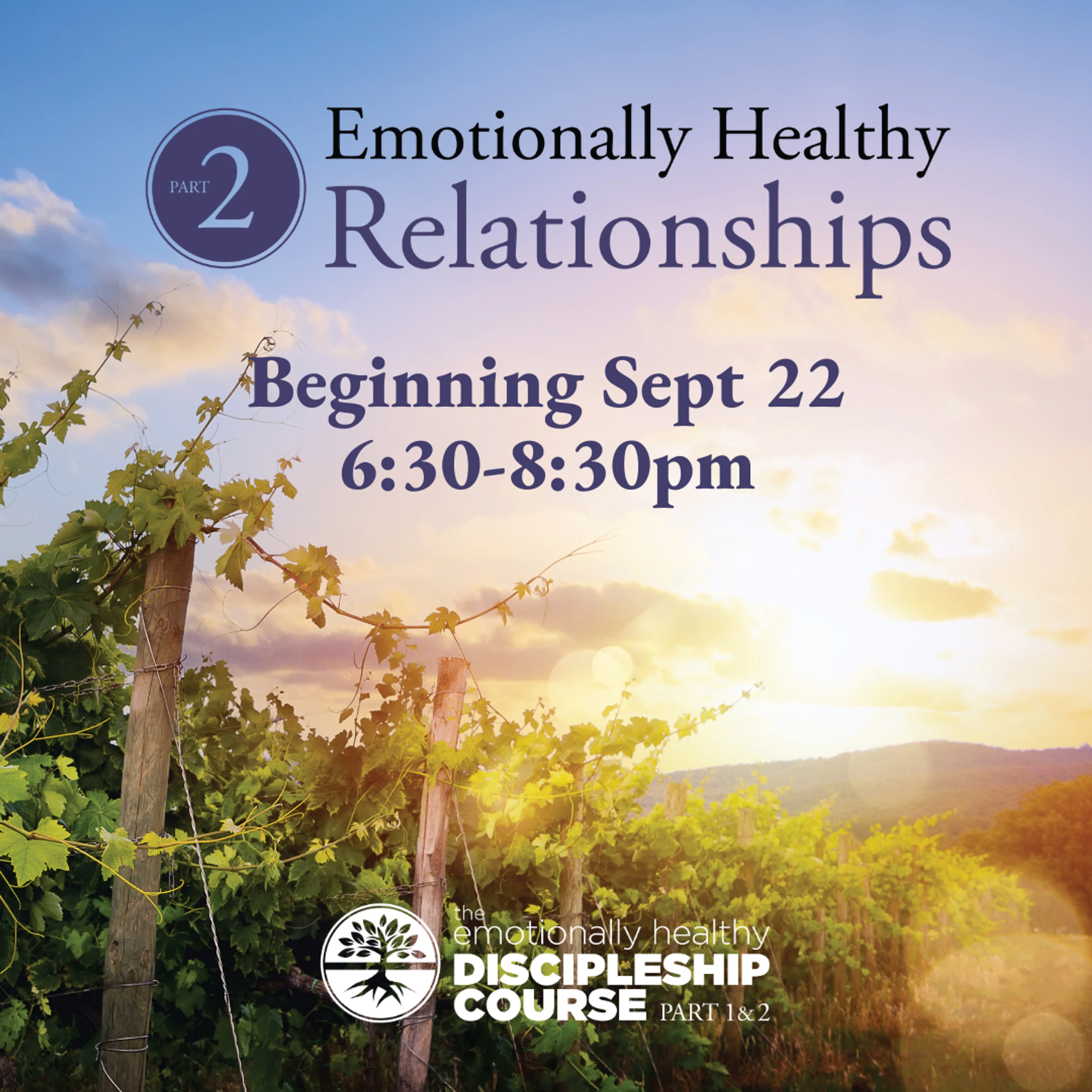
Join pastor Matt and Roxanne Hammett as we learn eight skills that improve communication and understanding in our relationships. Our goal is to intentionally offer discipleship that equips us to love like Jesus in practical and tangible ways. Cost: $25/person for materials.

Discover community, purpose, and hope at Flood Church. You’re invited to join us as we grow in faith together.
“The story of human beings made in the image of God is that even when we are not godlike in any way, and perhaps especially then, God is still for us.” — Lucy Peppiatt, The Imago Dei
The Cross and the Colosseum: How the Heart of Romans is the Hope of the World
MESSAGE NOTES - August 16, 2026
Justified and Glorified
Scott Wildey
What do you think if when you see the word "glory"?
For most of us, our idea of glory has been shaped by our cultural surroundings—particularly through the stories we popularize and attempt to inhabit.
One such story is actually thousands of years old. In Homer’s Odyssey, glory is centered on the ancient Greek concept of kleos, which literally translates as “what is heard of you.” It carries the meaning of glory, fame, and renown. So, Odysseus achieves glory through (1) accomplishing great deeds and (2) being praised and remembered through song and story.
We can see this same pursuit of glory today, saturated throughout the stories told on social media. With enough likes, shares, and subscribers, just about anyone can achieve a measure of glory and be remembered indefinitely in the cloud. In fact, according to a Harvard study, young adults rank becoming rich and famous among their highest life goals—in other words, seeking glory.
When glory is used in the Bible, it means something completely different...
Salvation is God's gift to his people and God's gift through his people for the world.
The RSV translation captures the context of Romans 8—that God is the subject. God works with "those who love him" is the recipient of God's action.
"Those who love him" is how the sentence begins in the original Greek marking significance. It is also shorthand for God's people (Israel) in the Old Testament. Romans 4 confers that designation to all those who have faith. Rather than a bloodline, Abraham's seed are those who exercise faith in and through the Messiah. Paul says in Romans 5:5 that God has poured his love into us through the Spirit.
God works "with those who love him." The Greek work in this sentence is Synergei, meaning to work with. It's the same word Paul uses in: 1 Cor 3:9; 2 Cor 6:1,. Paul is not talking about how one gets saved. Paul is talking about the purpose of the saved community of faith.
Genesis 1:26-27, and Psalm 8, describe humankind being made in God's image and likeness. In Genesis 3, humans use their freedom to go their own way, which ruptures their relationship with God and their image-bearing capacity.
The New Testament describes Jesus Christ, the first true human being (John 1, God enmeshed), as the image of God (Col 1, Heb 1). We now conform to the image of Christ to repair our relationship with God and our own humanity.
Spiritual formation is the process of being conformed to the image of Christ [together] for the sake of others.
Robert Mulholland Jr., Invitation to a Journey
We are called to be ministers and ambassadors in the world, for God so loves the world.
Practice
PRAY for God to reveal a person, group, or cause for whom he is working for good. Ask how he is inviting you to join this work as a minister and ambassador of Christ.
WRITE the name (person, group, or cause) on the other side of the card.
PLACE your card on the wall using the wax seal given.
PRAY for the person, group, or cause on your card. Ask God to accomplish his good purposes and show you how you can participate. Spend time interceding for the names on the other cards.
Your generosity fuels the mission of Flood Church, helping us share God’s love, serve our community, and bring hope and healing near and far.